
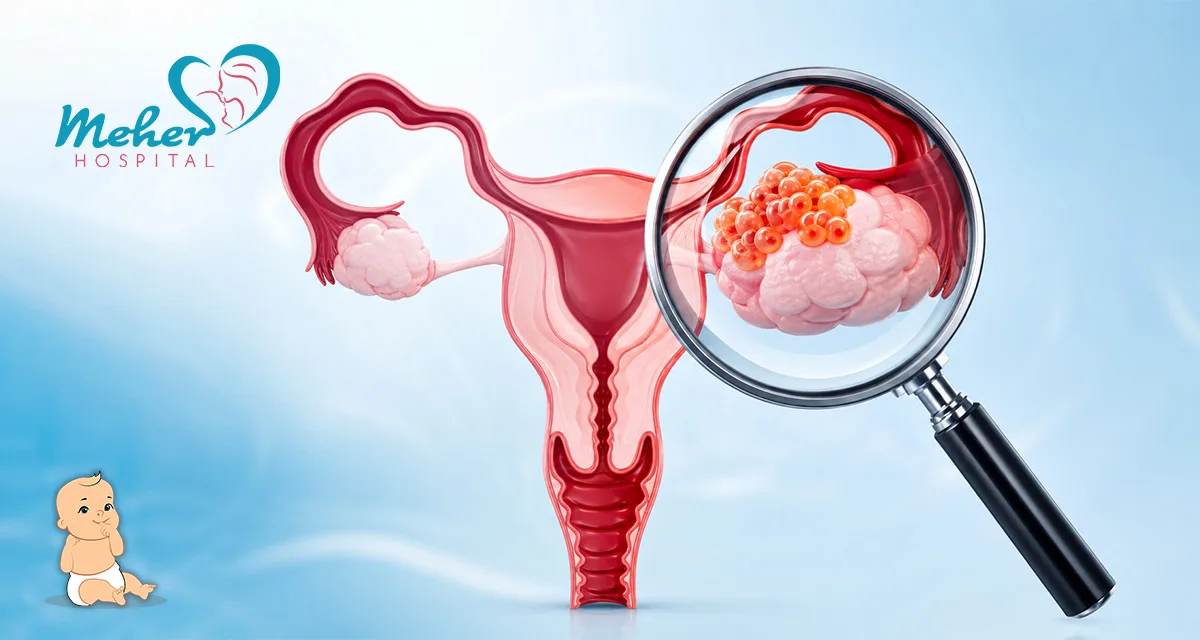
Cervical Cancer – Early Signs, Prevention and Vaccination
Cervical cancer is one of the most prevalent types of cancer among women in India. But guess what, it’s also one of the most preventable. With the proper knowledge and the cervical cancer vaccine, women are guaranteed full protection against the disease.
Many women tend to overlook their symptoms since these are viewed as trivial and, at times, not even related to something else. With knowledge of the hazards, risks, and prevention, there is an increased likelihood of staying healthy or receiving medical help promptly.
This blog post will provide all the information you need.
What Is Cervical Cancer?
Cervical cancer develops in the cervix, which is the narrowed lower end of the uterus connected to the upper end of the vagina. The major cause of this cancer is infection with the Human papillomavirus (HPV). This virus is transmitted easily through skin contact. Though not all persons with HPV develop cervical cancer, some strains of this virus can lead to the development of the cancer if not treated.
The positive thing about cervical cancer is that it develops slowly, hence it is easy to detect at an early stage.
Early Signs of Cervical Cancer You Should Not Ignore
In its earliest stages, cervical cancer will not cause any symptoms whatsoever. This is why screening is so vital. As the cancer develops, a few of the earliest signs of cervical cancer may occur. Be on the alert for:
- An abnormal amount of bleeding from the vagina. This includes between periods, during or after sex, and post-menopause.
- A watery, abnormal amount of vaginal discharge, which may even smell bad.
- A constant feeling of pelvic pain or discomfort; a normal, persistent, or worsening amount of lower abdominal pain or pain during sex.
- A much heavier and/or longer period than is normally expected; changes of this nature to your menstruation will only last for two to three months, typically.
- Painful urination. Whilst rare, this could potentially be a symptom too.
If you have one or more of these symptoms, please do not delay – see your gynaecologist without delay, but remember, there can be other causes for the above symptoms, so get checked to be sure.
Cervical Cancer Symptoms vs. Normal Changes: How to Tell the Difference
Lots of ladies ignore signs of cervical cancer as “just stress” or “hormone changes”. It could be true, but you can never be sure, and a 2-minute test with a Pap smear or an HPV test at your doctor’s can ease all your worries. Just consider it as a health check-up, just like measuring your blood pressure.
Cervical Cancer Prevention: Steps Every Woman Can Take
Preventing cervical cancer is simpler than one would believe. Here’s what’s important.
- Have regular Pap smear tests: Women over the age of 21 are advised to undergo a Pap smear every 3 years to check for any unusual cells before they can turn cancerous.
- HPV testing: After the age of 30, have your gynecologist perform an HPV test every 5 years in combination with a Pap smear. This offers increased protection.
- Practice safe sex: Protection, such as condoms, helps minimize exposure to HPV infection.
- Don’t smoke: Smoking compromises the body’s immune system, reducing its capacity to combat infection and potentially preventing HPV from clearing.
- Eat well: Eating more fruits, vegetables, and whole grains boosts immunity and lowers the general risk of developing cancer.
The Cervical Cancer Vaccine: Your Strongest Shield
The cervical cancer vaccine, or HPV vaccine, is one of the strongest weapons available. It protects against the HPV strains that most commonly cause cervical cancers.
Who can get the vaccine?
Girls aged 9-14. This is when the vaccine can be most effective, before any potential exposure to HPV.
Women of all ages up to 45. Older women can still benefit from the vaccine.
Boys and men can also receive the vaccine to eliminate further transmission of HPV.
The vaccine is safe, effective, and widely available, and it cannot be said enough how much it can reduce the risk of a woman contracting cervical cancer. This doesn’t mean, however, that it negates the need for screening procedures.
When Should You See a Doctor?
Please see a gynaecologist if:
- You experience any of the symptoms I’ve listed above
- You’ve never had a Pap test before
- You or your daughter hasn’t had the HPV vaccine yet
- You or your family has a history of cervical cancer
Conclusion
As cervical cancer is highly preventable, it can be largely circumvented if women decide to take action towards their health. Understanding the early signs of cervical cancer, recognizing important signs and symptoms of cervical cancer, going for regular checkups and Pap tests, as well as obtaining the cervical cancer vaccine, can contribute a lot to lowering the chances of contracting this cancer.
At Meher Hospital, we believe awareness is one of the best ways to overcome such ailments regarding women’s health. Our expert medical staff provides excellent gynecology services, cervical cancer screenings, consultations about preventative women’s health, and guidance on customized treatment and support.
If you have any questions about cervical health or cervical cancer prevention, and are ready to make the move towards healthier women’s health, consult Meher Hospital today. The steps that you take today can contribute greatly to your health over the coming years.
Take the first step today. Call to make your specialist appointment to eliminate any risk of cervical cancer.
Also Read: 8 Reasons Behind Frequent Urinary Tract Infections in Women
Meher Hospital is proudly powered by WordPress